

Last updated: April 2026
Skincare for men with facial hair has been a growing trend since 2013. However, a relatively new player in the field of assisted beard growth is Platelet-Rich Plasma (PRP). PRP therapy involves injecting concentrated platelets into hair follicles to stimulate growth. Despite the buzz surrounding PRP, the evidence supporting its effectiveness for beard growth is still limited.
Understanding How PRP Works for Beard Growth
PRP therapy works by extracting blood from the individual, separating the platelets, and injecting the concentrated platelets back into the beard area. The growth factors released by these platelets are believed to stimulate cellular activity and hair shaft production in the follicles.
The key growth factors involved in this process are PDGF (platelet-derived growth factor) and VEGF (vascular endothelial growth factor), which play roles in stimulating hair follicle cells and promoting blood vessel formation for improved nutrient delivery.
While the theory behind PRP is sound, the actual evidence supporting its effectiveness for beard growth is limited and primarily based on anecdotal reports rather than large-scale clinical trials.
Evaluating the Research on PRP for Beard Growth
Research on PRP therapy has primarily focused on its use for male pattern baldness on the scalp, showing modest improvements in hair count and thickness in some individuals. However, when it comes to beard growth specifically, the published literature consists of small case reports with subjective patient-reported improvements.
It’s important to note that there are no large, randomized controlled trials demonstrating significant enhancements in beard growth with PRP treatment. While the procedure is legal, the claims about its efficacy are not formally regulated by the FDA.
When considering the cost of PRP, it’s essential to weigh the price tag against the actual evidence supporting its effectiveness for beard growth.
What to Expect During a PRP Procedure
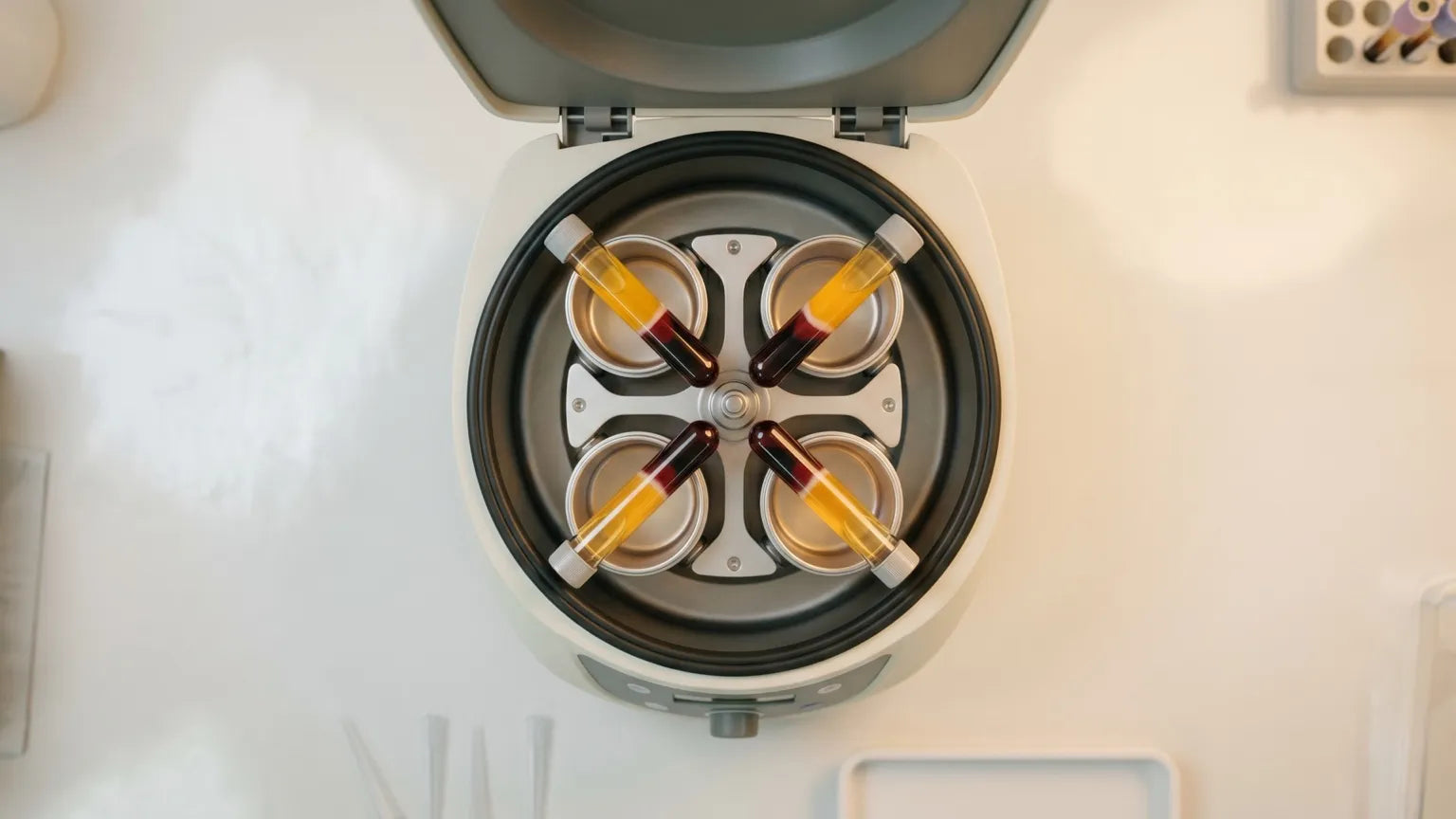
A typical PRP session lasts about 45 minutes to an hour and involves several steps, including drawing blood, centrifugation to extract platelets, topical numbing of the beard area, and injection of the PRP serum into the targeted areas.
Patients may experience mild redness, swelling, and bruising following the procedure, with most clinics recommending 3-4 sessions spaced several weeks apart for optimal results.
Cost Considerations for PRP for Beard Growth
PRP therapy for beard growth can be costly, ranging from $500 to $1,500 per session, with a full treatment series typically costing between $1,500 and $6,000. Maintenance sessions may also be recommended at additional costs, as insurance does not cover these cosmetic procedures.
Before investing in PRP, it’s essential to consider the trade-off between the price of the treatment and the potential outcomes, especially when compared to other more affordable and well-studied options.
Assessing the Risks and Side Effects of PRP
While PRP is generally considered safe when performed by trained practitioners, there are potential risks and side effects to be aware of, including bruising, swelling, infection, nerve irritation, temporary hair shedding, and the possibility of no significant results.
Patients should ensure they are receiving treatment from qualified dermatologists or plastic surgeons to minimize the risk of adverse events.
Determining Candidate Suitability for PRP
PRP therapy may be most effective for individuals with active hair follicles that are not performing optimally, rather than those with severe genetic baldness or complete lack of follicles in the area. Good candidates for PRP typically have patchy or uneven beard growth, genetically slow-growing beards, and realistic expectations regarding the potential outcomes.
Prior to undergoing PRP, it’s crucial to optimize skin health and follicle condition through a consistent skincare routine to support the effectiveness of the treatment.
Comparing PRP to Other Beard Growth Methods
When evaluating PRP for beard growth, it’s important to consider alternative methods such as minoxidil, dermarolling, supplements and oils, red light therapy, and natural approaches. Each option has its own benefits, costs, and evidence supporting its efficacy for beard growth.
Preparation and Post-Procedure Care Recommendations
Before and after each PRP session, certain precautions and care steps should be followed to optimize the results and minimize potential side effects. These include avoiding certain medications, alcohol, and excessive sun exposure before the procedure, as well as adhering to post-procedure guidelines for skincare and sun protection.
Consistency in daily skincare routines and overall health habits can play a significant role in supporting the effectiveness of PRP and other beard growth treatments.
Conclusion
In conclusion, while PRP therapy holds promise for beard growth by stimulating hair follicles through growth factor release, the current evidence supporting its efficacy is limited and primarily anecdotal. Patients considering PRP for beard growth should weigh the costs, risks, and potential benefits against other available options with stronger research backing.
For more information, you can visit the source Here.