
Blonde Facial Hair: Why Is My Mustache and Beard Hair Blonde?
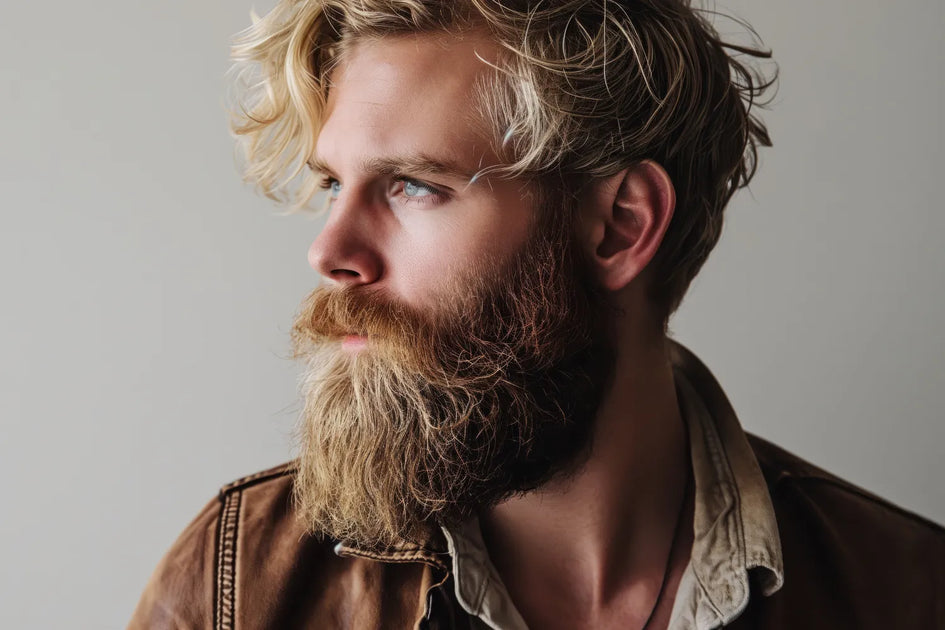
Have you ever wondered why your mustache and beard hair is blonde? While many people have dark facial hair, others may have blonde or light-colored hair on their face. This phenomenon can be attributed to a variety of factors, including genetics, hormones, and age.
Genetics
One of the primary reasons for having blonde facial hair is genetics. Just like the color of your hair on your head, the color of your facial hair is determined by your genetic makeup. If your parents or grandparents have blonde hair, there’s a higher chance that you’ll have blonde facial hair as well.
Hormones
Hormones also play a role in the color of your facial hair. Testosterone, the male hormone, is responsible for promoting facial hair growth. However, the amount of testosterone in your body can affect the color of your hair. Higher levels of testosterone may result in darker facial hair, while lower levels can lead to lighter-colored hair.
Age
As you age, your hair follicles can produce less melanin, the pigment responsible for hair color. This can cause your facial hair to lighten over time, resulting in blonde or grey hair. So, if you’ve noticed your mustache or beard hair becoming lighter in color as you get older, age could be a contributing factor.
Overall, the color of your facial hair can be influenced by a combination of genetics, hormones, and age. While having blonde facial hair may not be as common as having dark hair, it’s a natural variation that adds character to your appearance. Embrace your unique blonde facial hair and rock it with confidence!