

Introduction
One of the most common questions men ask is:
“How can I grow a thicker beard?”
Every month, millions of searches are made on Google related to beard growth.
Popular search terms include:
- how to grow a thicker beard
- beard growth tips
- why is my beard patchy
- beard growth science
- how long does it take to grow a beard
- beard growth secrets
The internet is filled with myths, miracle products, and conflicting advice.
Some people claim certain oils can instantly grow a beard.
Others believe shaving makes facial hair grow faster.
Many social media influencers promote products promising dramatic overnight transformations.
The truth is far more interesting.
Beard growth is influenced by a combination of genetics, hormones, age, lifestyle, grooming habits, and overall health.
Understanding the science behind beard growth can help men set realistic expectations and build better grooming routines.
In this comprehensive guide, we’ll explore what actually affects beard thickness, density, and growth speed and separate scientific facts from common myths.
Understanding How Beard Growth Works
Facial hair grows from structures beneath the skin called hair follicles.
Each follicle produces individual hairs that pass through several growth stages.
These stages include:
Growth Phase (Anagen)
This is the active growth stage.
During this phase:
- Hair grows continuously
- Length increases
- Density develops
The longer this phase lasts, the longer the beard can potentially grow.
Transition Phase (Catagen)
A short period where growth slows.
Resting Phase (Telogen)
The hair eventually sheds and is replaced by new growth.
Every beard hair follows this cycle independently.
This is why beard growth appears continuous.
The Biggest Factor: Genetics
If there is one factor that influences beard growth more than anything else, it is genetics.
Genetics largely determine:
- Beard density
- Growth patterns
- Thickness
- Coverage
- Hair texture
Some men naturally develop:
- Dense full beards
- Thick mustaches
- Strong cheek growth
Others may experience:
- Patchy areas
- Slower development
- Uneven growth patterns
This is completely normal.
The Role of Testosterone
Testosterone is one of the most important hormones involved in facial hair development.
Testosterone contributes to:
- Facial hair growth
- Body hair growth
- Masculine characteristics
However, testosterone alone does not determine beard quality.
Many men with normal testosterone levels still experience different beard growth patterns.
DHT and Beard Development
A hormone called DHT (Dihydrotestosterone) plays a significant role in facial hair development.
DHT helps stimulate beard follicles and contributes to:
- Beard thickness
- Beard maturity
- Facial hair development
Sensitivity to DHT varies between individuals, which is one reason beard growth differs from person to person.
Why Age Matters
Many men compare their beard growth to others without considering age.
Facial hair often continues developing well into adulthood.
For many men:
Ages 18–21
Beard growth may still be developing.
Ages 22–30
Density often increases significantly.
Ages 30–40
Many men reach peak beard maturity.
Patience is often more important than people realize.
Does Shaving Make Beards Grow Faster?
This is one of the oldest grooming myths.
The answer is:
No.
Shaving does not:
- Increase growth speed
- Increase density
- Increase thickness
The belief exists because shaved hairs develop blunt edges that temporarily feel thicker.
Scientifically, shaving has no effect on follicle activity.
Why Some Beards Look Thicker Than Others
Two men may have similar beard density yet appear completely different.
Factors affecting visual thickness include:
Hair Diameter
Thicker hairs create fuller appearance.
Hair Color
Darker facial hair often appears denser.
Curl Pattern
Curly beards can create greater visual volume.
Beard Length
Longer beards often appear fuller.
How Sleep Affects Beard Growth
Quality sleep supports overall wellness.
During sleep, the body performs numerous recovery functions that support:
- Hormonal balance
- Skin health
- Hair health
Poor sleep may negatively affect overall appearance and recovery processes.
Nutrition and Beard Health
A balanced diet supports healthy hair growth.
Important nutrients include:
Protein
Hair is primarily composed of protein.
Vitamins
Various vitamins support overall wellness and hair health.
Minerals
Minerals contribute to numerous biological processes.
Healthy Fats
Support hormone production and skin health.
While no food can magically create a beard, overall nutrition contributes to healthier hair.
Hydration Matters More Than Most Men Realize
Hydration affects:
- Skin condition
- Hair texture
- Overall appearance
Dehydration can contribute to:
- Dryness
- Rough texture
- Poor beard appearance
Proper hydration supports healthier-looking facial hair.
The Importance of Skin Health
Healthy skin creates a better environment for beard growth.
Neglecting skin can lead to:
- Irritation
- Flaking
- Beard dandruff
- Discomfort
Modern beard care focuses heavily on skin health because it influences overall beard quality.
Why Beard Oil Became So Popular
Beard oil does not magically create new follicles.
However, it can improve:
- Softness
- Hydration
- Comfort
- Appearance
- Manageability
This is why beard oil remains one of the most recommended grooming products.
Common Beard Growth Myths
Myth #1: Shaving Makes Hair Grow Faster
False.
Myth #2: Beard Oil Creates Instant Growth
False.
Myth #3: Everyone Can Grow the Same Beard
False.
Myth #4: Patchy Beards Never Improve
False.
Many beards continue developing over time.
Why Social Media Creates Unrealistic Expectations
Social media often highlights:
- Exceptional genetics
- Professional photography
- Strategic grooming
- Transformation content
This can create unrealistic expectations.
Most impressive beards require:
- Time
- Maintenance
- Consistency
How Barbers Help Improve Beard Appearance
Even if genetics cannot be changed, skilled barbers can improve beard presentation through:
- Shaping
- Symmetry
- Beard fades
- Texture enhancement
- Line definition
Professional grooming often makes a dramatic difference.
Most Popular Beard Styles in 2026
Beard Fade
The most requested barber style.
Short Boxed Beard
Professional and versatile.
Rugged Beard
Natural masculine texture.
Salt and Pepper Beard
Sophisticated and mature.
Defined Stubble
One of the most universally attractive styles.
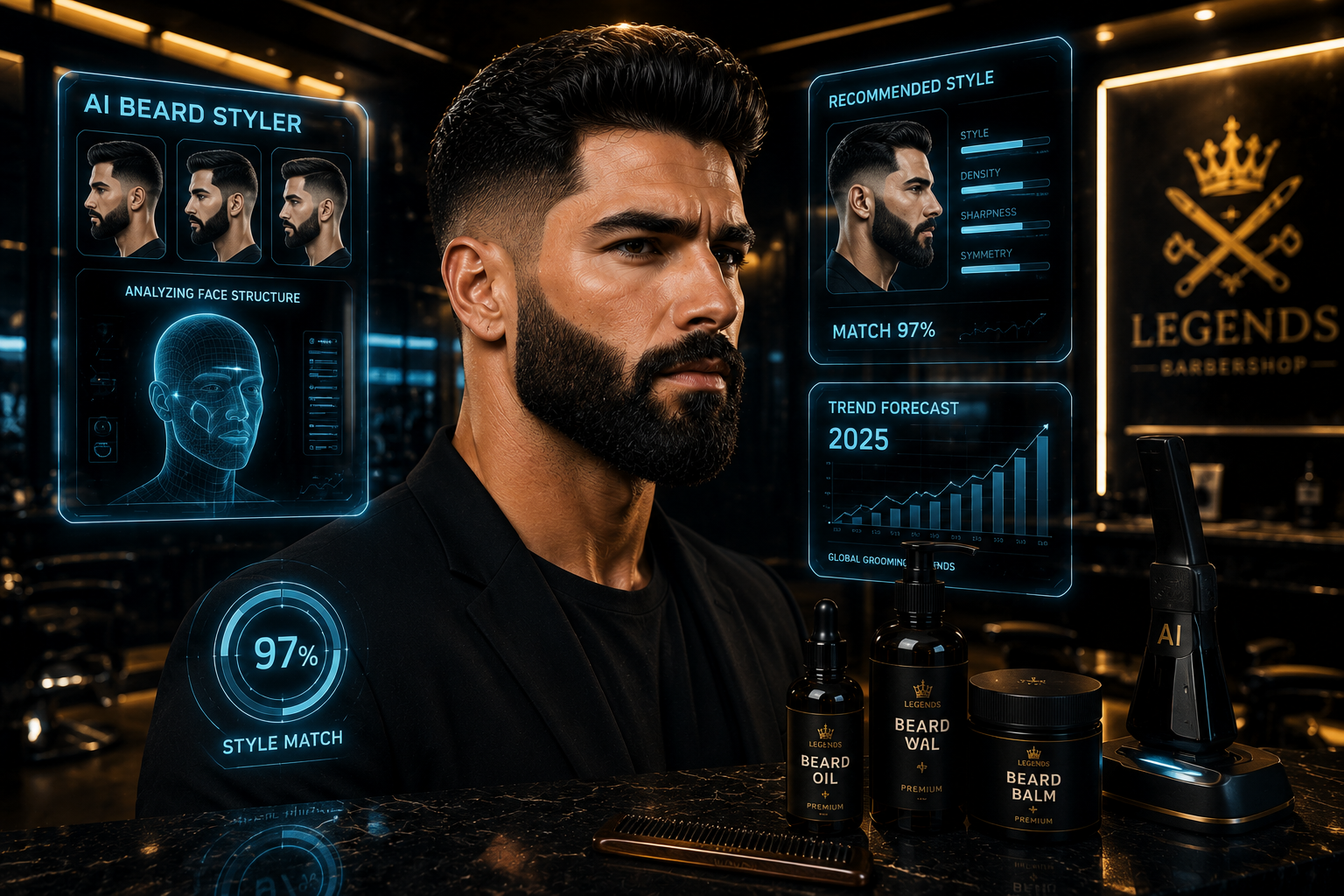
Future Beard Growth Technology
Emerging trends include:
- AI beard analysis
- Personalized grooming systems
- Virtual beard simulations
- Smart grooming devices
- Advanced beard care formulations
Technology is expected to play a larger role in men’s grooming over the next decade.
Why Consistency Is More Important Than Shortcuts
Many men search for instant solutions.
The reality is that beard development is often a long-term process.
The most successful grooming routines focus on:
- Patience
- Maintenance
- Healthy habits
- Proper care
- Consistency
Small improvements over time typically produce the best results.
Final Thoughts
The science of beard growth is more complex than most people realize.
While genetics remain the most important factor, several other elements influence how a beard develops and appears, including:
- Age
- Hormones
- Nutrition
- Sleep
- Hydration
- Grooming habits
Understanding these factors helps men set realistic expectations and focus on what they can control.
The goal should not be chasing unrealistic social media standards.
Instead, focus on building the healthiest, best-maintained version of your own beard.
A great beard is not defined solely by length or density.
It is defined by confidence, grooming quality, and consistency.